
Quick Guide for Understanding Towing Capacity Troy
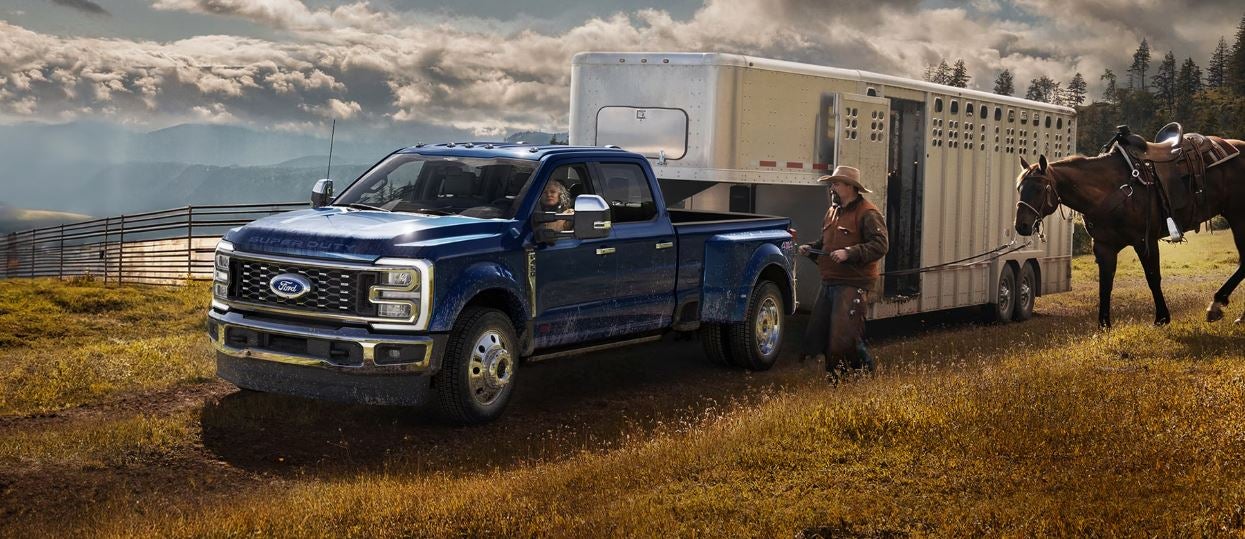
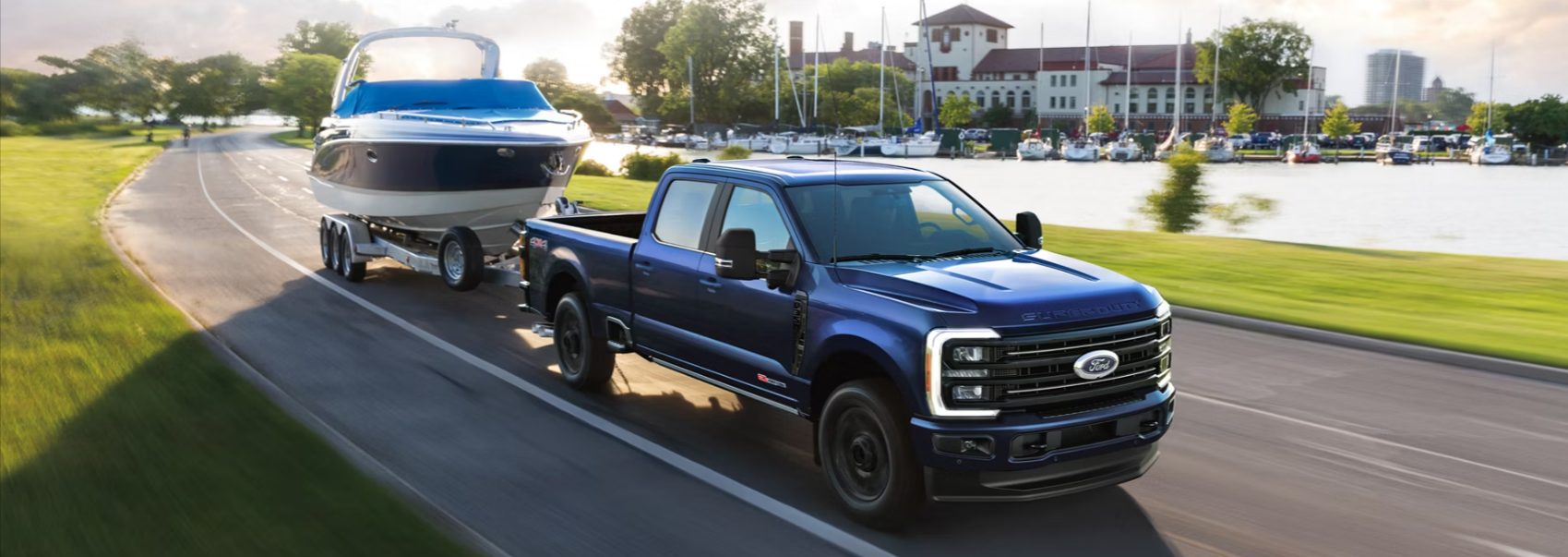
Your vehicle’s towing capacity refers to the maximum weight that it can safely pull, including the trailer itself and everything loaded inside it. Every Ford truck and SUV has this number advertised, but what you see in an ad is typically the maximum capacity for a specifically configured vehicle, not necessarily your specific model. The engine choice, axle ratio, cab size, bed length, and available tow packages all have a direct impact on the real-world number, which is why we at Gilland Ford have put together this guide to help you understand the specifics.
The Key Numbers to Know
The first step to ascertaining your truck or SUV’s towing capability is always checking your its tow rating, not just the advertised ceiling, as you don’t want to plan a trip to Pike County Lake, only to find out that you car isn’t up to the towing task that you’ve set before it. We can pull the exact specs for your VIN and walk you through what that means for your towing plans. Below are a few terms will come up again and again as you plan:
Gross Vehicle Weight Rating (GVWR): The maximum total weight of your truck or SUV, including passengers, cargo, and fuel.
Gross Combined Weight Rating (GCWR): The maximum combined weight of your vehicle and the trailer together, fully loaded.
Curb Weight: How much your vehicle weighs empty, with no passengers or cargo.
Payload Capacity: How much weight you can carry inside or on top of the vehicle itself (passengers, gear, tongue weight from the trailer).
Tongue Weight: The downward force the trailer places on your hitch, typically 10- to 15-percent of the trailer's total loaded weight.
A Simple Way to Calculate What You Can Tow
Here's a straightforward approach put together by our talented team. First, find your vehicle's GCWR. This is your ceiling for combined weight. After you’ve done that, weigh your vehicle as it will actually be loaded, with passengers, gas, and gear, or use the curb weight as an estimate. You can subtract the resulting number from the GCWR, and then take the value that remains, as that’s roughly your maximum trailer weight, including cargo loaded into the trailer. For your payload capacity, you’ll want to check it separately. Even if your GCWR allows for a heavier trailer, your payload rating limits how much tongue weight and cargo your truck itself can hold. Also, don't forget the hitch. Your hitch, ball mount, and wiring harness all have their own weight ratings, and the lowest-rated component becomes your real limit.
Why This Matters for Campers Specifically
Campers and travel trailers are tricky because their "dry weight" listed by the manufacturer rarely reflects reality. Once you add propane, water, batteries, and personal belongings, the loaded weight can climb by 1,000 pounds or more. Always calculate towing capacity using the camper's fully loaded weight, not the advertised dry weight, to avoid unpleasant surprises on the road.
Let Us Help You Match the Right Ford to the Job
Every Ford truck and SUV, from the Maverick to the F-250, offers a different towing sweet spot, and packages like the Ford Tow Technology Package or Max Trailer Tow Package can significantly change what's possible. Rather than guessing ahead of your next adventure in Troy, bring your trailer or camper specs to our dealership and let our friendly staff run the numbers with you.